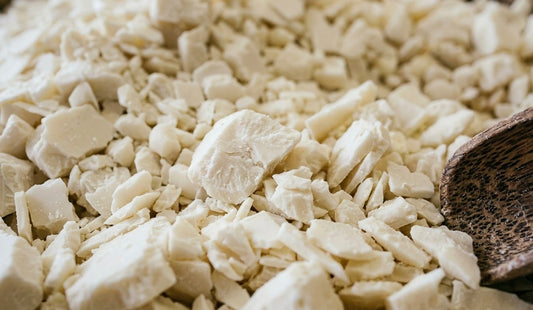
Collection: Soy Wax for Candle Manufacturing | Organic Soy Wax
Soy Wax is the essential foundation of candle production, powering clean, consistent burns while effectively holding fragrance oils and dyes. High-quality wax enhances performance, scent throw, and finish.
In professional manufacturing, wax is selected based on its melting point, purity, and compatibility with additives. It can be refined or blended for applications like container candles, pillars, and scented products.

Why Soy Wax Became Such a Big Deal?
Back when paraffin was the dominant wax in most commercial candles, no one was really questioning it. It was cheap, widely available, and it worked. But it's petroleum-derived, it produces more soot, and customers have started noticing and caring about those things.
Soy wax changed the conversation. It comes from hydrogenated soybean oil, which means it's plant-based, renewable, and burns significantly cleaner. That last point alone has made it the preferred choice for premium candle brands globally and increasingly, for candle manufacturers in India who are now producing for export markets and discerning domestic buyers.
But here's the thing people sometimes overlook: not all soy wax performs the same, Grade matters, Formulation matters, and understanding those differences before you commit to a production run can save you a lot of headaches.
Key Features of Premium Soy Wax
Premium Soy Wax is known for its clean-burning performance, excellent fragrance retention, and smooth finish. It is a preferred choice for creating high-quality candles with consistent results.
- Clean & Consistent Burn – Burns evenly with minimal soot, reduced tunneling, and less residue for a longer-lasting candle.
- Excellent Fragrance Throw – Holds and releases fragrance oils effectively, providing a rich and long-lasting aroma.
- Smooth & Creamy Finish – Creates an attractive finish with excellent adhesion to containers and minimal frosting.
- Easy to Blend – Mixes well with fragrance oils, dyes, and additives for custom candle creations.
- Versatile Applications – Suitable for jar candles, container candles, pillar candles, tealights, votives, wax melts, and wax tablets.
- Eco-Friendly Choice – Made from renewable soybeans, making it a cleaner and more sustainable alternative to traditional waxes.
- Long Burn Time – Offers a slower, more even burn that helps candles last longer.
- Easy to Work With – Simple to melt, pour, and cure, making it suitable for both beginners and experienced candle makers.
What Actually Makes Soy Wax Good for Candles?
When manufacturers talk about "high-quality soy wax," they're usually referring to a handful of core properties that directly affect your finished candle.
- Melting Point Consistency: Soy wax typically melts between 49°C and 82°C depending on the grade and blend. For container candles, you want a lower melt point. For pillar candles or wax melts, you'll usually need something firmer. The right melt point isn't just about texture — it affects how evenly your candle burns and whether you'll get tunneling or sinkholes in the top.
- Fragrance Retention: One of the biggest advantages of soy wax is its ability to hold fragrance oils well. Premium-grade soy wax can typically absorb fragrance loads of 6–10%, sometimes more depending on the specific formulation. That means a stronger, more consistent scent throw — both cold (before the candle is lit) and hot (while it's burning).
- Surface Finish: If you've ever seen a freshly poured candle with a rough, frosted, or cracked top, you already know what poor wax quality or improper pouring temperature looks like. Good soy wax, poured at the right temperature, gives you that smooth, matte finish that looks beautiful in a glass jar or tin.
- Eco-Credentials: Soy wax is biodegradable and burns without the petro-soot that paraffin produces. For brands marketing to health-conscious or eco-aware customers, this is a genuinely meaningful selling point — not just a tagline.
Soy Wax vs. Other Wax Types: Detailed Comparison
Here's a quick look at how soy wax stacks up against the alternatives you'll encounter as you research your options:
|
Wax Type |
Source |
Scent Throw |
Burn Quality |
Eco-Friendly |
Best For |
|
Soy Wax |
Soybeans |
Good–Great |
Clean, even |
Yes |
Container candles, wax melts |
|
Paraffin Wax |
Petroleum |
Excellent |
Can produce soot |
No |
Pillar candles, mass production |
|
Beeswax |
Bees |
Subtle, natural |
Excellent |
Yes |
Premium, artisan candles |
|
Blended Wax |
Mixed sources |
Varies |
Varies |
Partial |
Custom performance formulations |
Most professional candle manufacturers in India today use blended formulations — often combining soy wax with small amounts of paraffin or coconut wax — to get the best of multiple worlds. But for brands targeting clean beauty, wellness, or eco-gifting segments, 100% soy wax remains the most defensible choice.
What You Should Know About Soy Wax Grades?
If you're sourcing soy wax in bulk, you'll quickly realize there's a grading system you need to understand.
AA+ Grade Soy Wax is the benchmark for professional production. It offers the highest level of refinement, minimal impurities, a consistent melt point, and optimal fragrance-binding capacity. This is what serious candle manufacturers in India use when producing for luxury brands, hotels, or export markets. Lower grades can work for basic products, but they tend to be inconsistent from batch to batch, which is a real problem in manufacturing.
One practical tip: always ask your supplier for a Certificate of Analysis (COA) for their soy wax. A reputable supplier will have one. It should confirm the melt point, moisture content, and purity levels. If they can't produce one, that tells you something.
Common Applications
- Scented candles
- Jar and container candles
- Pillar candles
- Tealights and votives
- Wax melts and tablets
- Private label manufacturing
Types of Soy Wax
Different products require specific wax types:
- Soy Wax – Natural, eco-friendly, plant-based
- Paraffin Wax – Strong scent throw, widely used
- Beeswax – Natural with clean burn and light aroma
- Blended Waxes – Custom formulations for performance
Where Soy Wax Actually Gets Used?
Soy wax is one of the most versatile materials used in modern candle manufacturing, making it an ideal choice for premium and private label candle brands.
- Container & Jar Candles – Perfect for glass jars, ceramic containers, and metal tins, offering a clean, long-lasting burn with excellent fragrance throw.
- Pillar Candles – Manufactured using specially formulated soy wax blends to provide enhanced durability and structural strength.
- Tealights & Votive Candles – An excellent choice for home décor, events, hospitality, and corporate gifting with a clean-burning finish.
- Wax Melts & Wax Tablets – Soy wax delivers outstanding fragrance performance, making it ideal for flameless home fragrance products.
- Massage Candles – Thanks to its low melting point, soy wax is widely used for luxury massage candles that offer a warm and skin-friendly experience.
- Private Label & White Label Candles – Preferred by brands seeking consistent quality, premium finishes, and reliable custom candle manufacturing for retail and wholesale markets.
Why Quality Matters?
High-quality Soy wax improves fragrance retention, burn stability, and overall performance, ensuring premium results for manufacturers and brands.
Is Soy Wax Better Than Paraffin Wax?
Yes, soy wax is generally considered a better choice for eco-conscious consumers. It is made from renewable soybean oil, while paraffin wax is derived from petroleum. Soy wax also burns at a lower temperature, giving candles a longer burn time and producing significantly less soot for a cleaner experience.
Is Soy Wax Toxic?
No, soy wax is non-toxic and safe for indoor use. Being a natural, plant-based wax, it releases fewer harmful byproducts and chemicals during burning, making it a healthier option for homes, offices, and other indoor spaces.
Why Does Soy Wax Frost or Crack?
Frosting and minor surface cracks are natural characteristics of soy wax. Frosting appears as a white crystalline layer due to the natural crystallization of vegetable wax, while small cracks can occur because of temperature changes. These cosmetic changes do not affect the candle’s fragrance, performance, or burn quality.